An experimental field of research focused on studying the adverse effects of exposures on living organisms. In the field animal and in vitro experiments are conducted to determine the dose-response relationships between exposures and adverse health outcomes as well as to understand the cellular mechanisms behind such outcomes. Toxicology is closely related to epidemiology as the experimental results of animal studies are often combined with the results of observational human studies to create risk assessments for specific chemical or non-chemical exposures.
In dentistry, a wide range of materials are used: dental amalgams, resin-based composites, polymethylmethacrylate resins, cements, ceramics, root canal filling materials and dental metal alloys, materials for short-term application in the oral cavity, and oral hygiene products. These materials are inserted in the human oral cavity and must stand against extremely hostile conditions. Dental fillings, prosthetic crowns, and orthodontic appliances are exposed to changes of temperature and pH, microbial corrosion, and high amplitudes of stress and strain in the internal structure of material occurring during chewing or appliance activation. It may lead to increased release of potentially toxic elements.
- From the Encyclopedia of Toxicology. Mikulewicz et al. 2014
In the field of dentistry normally many potential toxic chemicals are used often on the patients in prosthesis and tooth restoration. These include substances such as Amalgam, triclosan (proven carcinogen), methyl methacrylate, MERCURY, fluoride, polychlorinated biphenyls, BPA ,epoxy resins, composites, implants, artificial crowns etc., which may be toxic to human health, which may cause genetic mutations and even carcinogenic.
Home Page - General information about key toxic chemicals used in Dentistry's past and present, as well as general toxicological books and articles available via Penn Libraries.
Occupational Safety for Dentists - Learn about exposure risks in a contemporary dentists office or dental lab settings as well as official recommendations from leading agencies on how best to utilize Personal Protective Equipment and best safety practices to reduce risk of exposure to harmful chemicals.
Dental Materials and Devices - Learn more about concepts and tests of biocompatibility for medical materials and devices. Explore the FDA approval process for medical devices and access resources to determine what types of approvals and tests new devices need.
 Chemical Mixtures and Combined Chemical and Nonchemical Stressors : Exposure, Toxicity, Analysis, and Risk
by
Chemical Mixtures and Combined Chemical and Nonchemical Stressors : Exposure, Toxicity, Analysis, and Risk
by

Mercury Amalgam has been utilized in dental fillings since 1845, and safety concerns regarding the use of elemental mercury in these amalgams has long been debated. There have been worldwide concerns about patient, practitioner and environmental health impacts from the use, removal and disposal of the mercury used in these amalgams.
 The Minamata Convention on Mercury
by
The Minamata Convention on Mercury
by
 The Environmental Impact of Mercury-containing Dental Amalgams
by
The Environmental Impact of Mercury-containing Dental Amalgams
by
 FDA Guidance for Patients: Dental Amalgam Fillings
by
FDA Guidance for Patients: Dental Amalgam Fillings
by
 Direct composite resin fillings versus amalgam fillings for permanent posterior teeth
by
Direct composite resin fillings versus amalgam fillings for permanent posterior teeth
by
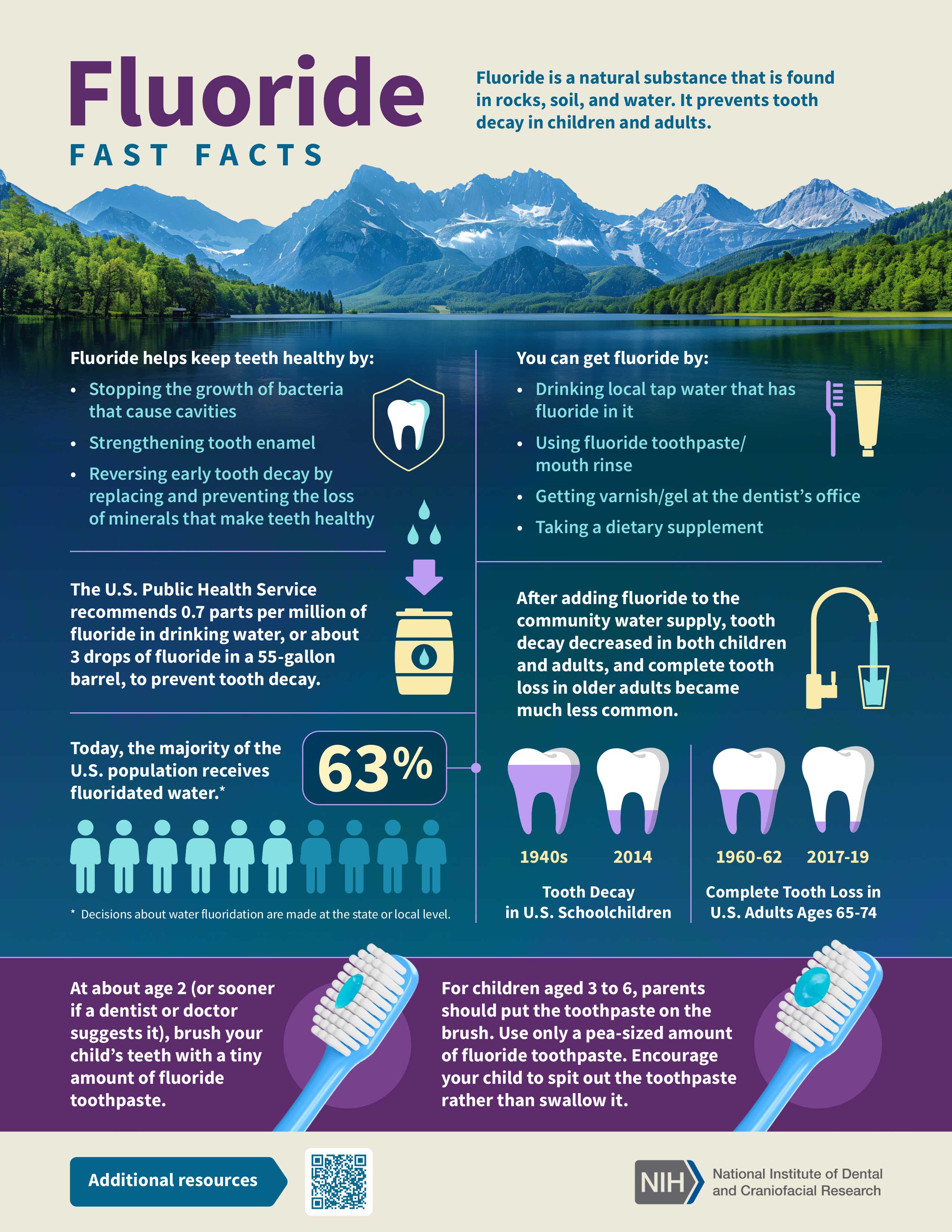
Community water fluoridation for the prevention of dental carries began in Grand Rapids, MI in 1945, four decades after Dr. Frederick McKay and Dr. G.V. Black first observed the decay preventing effects of fluoride in communities exposed to naturally occurring fluoride in their local drinking water (NICDR, 2024). Since the introduction of community water fluoridation the dental benefits to the US population have been hailed as one of the ten most impactful public health efforts of the 20th century (CDC, 1999). Despite the benefits, fluoride in high doses is a known toxin that can cause fluorosis of the teeth and neurodevelopmental issues in children (NTP, 2024), which has led to detractors and controversy over the past 80 years of water fluoridation.
 Fluoride in Drinking-Water. WHO Series in Drinking Water Quality
by
Fluoride in Drinking-Water. WHO Series in Drinking Water Quality
by
 Fluoride in Drinking Water: A Review of Fluoridation and Regulation Issues
by
Fluoride in Drinking Water: A Review of Fluoridation and Regulation Issues
by
 NTP Monograph on the State of the Science Concerning Fluoride Exposure and Neurodevelopment and Cognition: A Systematic Review
by
NTP Monograph on the State of the Science Concerning Fluoride Exposure and Neurodevelopment and Cognition: A Systematic Review
by

Lead (Pb) is a highly neurotoxic heavy metal that can cause long-term adverse neurological, cardiovascular, renal and reproductive issues at even the lowest of doses (NTP, 2012). While lead's use in devices that directly contact the body or mouth has been discontinued, and is even being phased out from x-ray protective equipment, trace amounts of lead have been detected in dental crowns manufactured in dental laboratories (Valen et al. 2020), zirconia bioceramics (Reclaru et al. 2020) and titanium alloy micro-implants used in orthodontics (Chin et al. 2007). The number of fixed dental prosthesis in a patient has been associated with heightened levels of lead in the patient's blood, hair, and liver tissue (Sun et al. 2024). Along with the risk of exposure to lead via dental materials and devices, lead exposure is known to adversely affect oral health by destroying salivary glands and harming periodontal tissues (Liu et al. 2024).
 Integrated Science Assessment (ISA) for Lead
by
Integrated Science Assessment (ISA) for Lead
by
 NTP Monograph Health Effects of Low-level Lead
by
NTP Monograph Health Effects of Low-level Lead
by
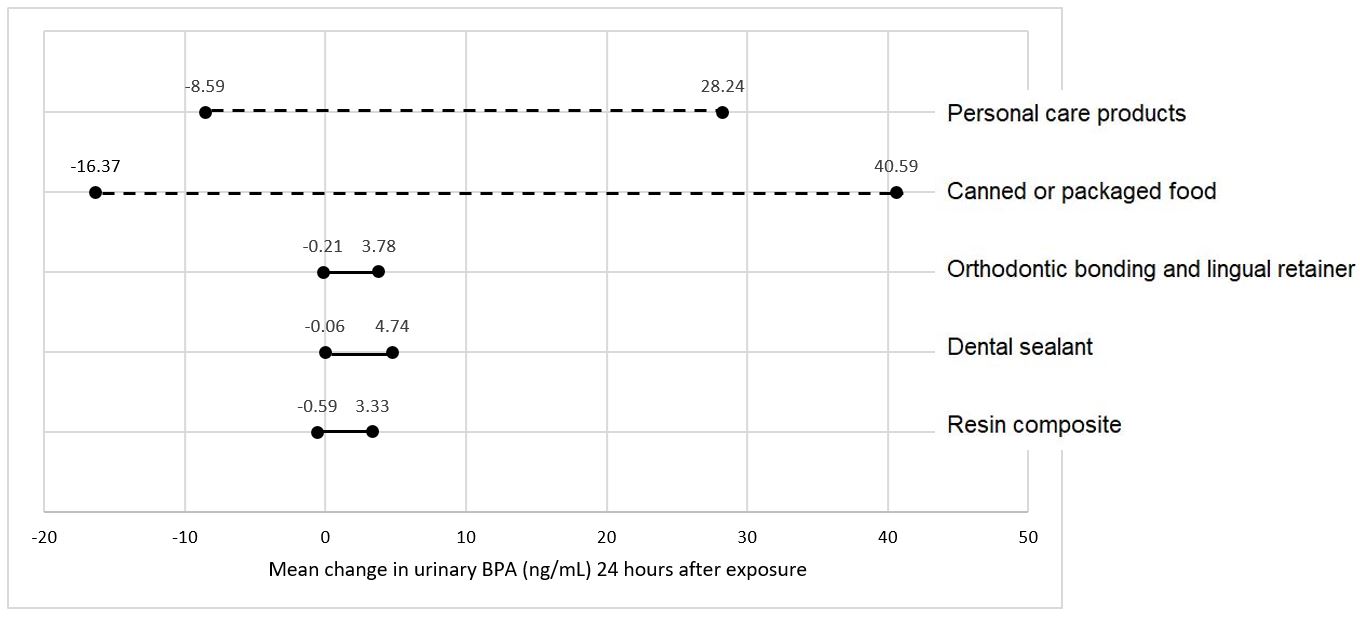
According to the American Dental Association: [Bisphenol A] is widely used in the production of polycarbonate plastics, polyacrylate resins, and epoxy resins. Although BPA is not used in the manufacture of dental materials, it is used in the synthesis of monomers common to dental resins, such as Bis-GMA, Bis-EMA, Bis-DMA, and BADGE. Residual BPA may remain from the synthesis process of these monomers and thus trace amounts may be present as a contaminant in dental resins.
BPA is a known endocrine disruptor, that has been linked to a wide variety of adverse health effects, especially in young children and babies (Ma et al. 2019), but despite these links there are no established thresholds for safety or harm from exposure to BPA (Marzouk et al. 2019). BPA is also present in a wide variety of manufactured products, from water bottles to sunscreens, so the contribution of dental materials to overall BPA exposure is assumed to be limited (ADA, 2022). Despite the unknown threshold for harm, and the myriad of sources of exposure, the use of BPA in dental materials is widely studied and recommendations for patient safety can be found on the American Dental Association's website: American Dental Association
 Bisphenol A : Exposure and health risks
by
Bisphenol A : Exposure and health risks
by
 Bisphenol A
by
Bisphenol A
by
 Bisphenol A and phthalates : uses, health effects and environmental risks
by
Bisphenol A and phthalates : uses, health effects and environmental risks
by
 Arsenic, specifically Arsenic Trioxide, was historically used in dentistry as a devitalizing paste that would induce necrosis of the dental pulp. It's use in dentistry has been documented as far back as 2700 B.C. in ancient Chinese medicine, and it's use spread across the globe and was even utilized by early pioneers in North American dental medicine Dr. John Roach Spooner and Dr. Chapin A. Harris (Hyson Jr, 2023). It has been phased out entirely from dental work, and is not approved for use by the FDA.
 Contemporary Dental Pharmacology : Evidence-Based Considerations
 Advanced Dental Biomaterials


